
5 Best Stretching Exercises for Sciatica Pain
Expert Physiotherapy Care at Well Me Care Physiotherapy & Rehabilitation Center
Sciatica pain is a common condition treated at Well Me Care Physiotherapy & Rehabilitation Center, where patients often complain of sharp pain radiating from the lower back to the leg. This pain can disturb daily activities like walking, sitting, or even sleeping.
Sciatica usually occurs due to compression or irritation of the sciatic nerve, and physiotherapy plays a vital role in relieving pain without surgery. One of the most effective and natural ways to manage sciatica pain is guided stretching exercises, prescribed by experienced physiotherapists.
In this blog, our experts at Well Me Care Physiotherapy & Rehabilitation Center share the 5 best stretching exercises for sciatica pain relief, along with professional insights for safe and long-term recovery.
Why Stretching Is Important in Sciatica Physiotherapy
Stretching exercises are a core part of sciatica treatment because they:
Reduce pressure on the sciatic nerve
Improve flexibility of muscles and spine
Decrease muscle tightness and stiffness
Improve blood circulation
Prevent recurrence of pain
⚠️ Stretching should always be done under physiotherapist guidance, especially in moderate to severe sciatica cases.
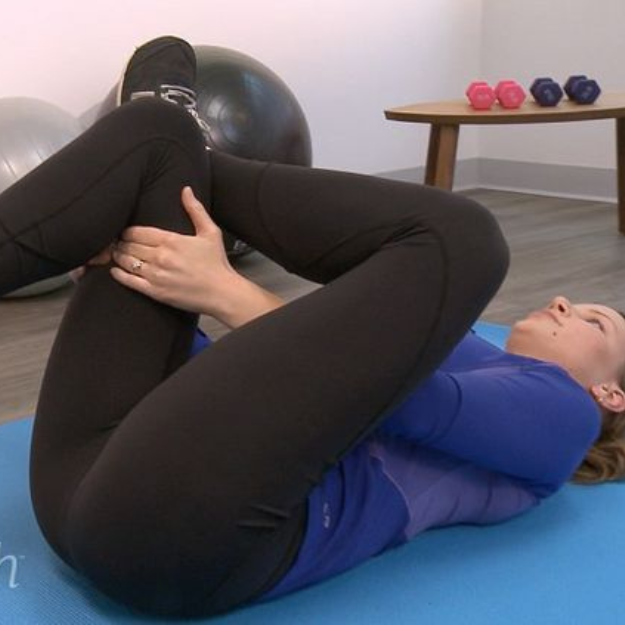
1. Piriformis Stretch
The piriformis muscle is located in the buttock area. Tightness in this muscle is one of the major causes of sciatica pain.
How to Perform:
Lie on your back with knees bent.
Cross one leg over the opposite knee.
Hold the thigh of the supporting leg.
Slowly pull it toward your chest.
Hold for 20–30 seconds.
Repeat 3 times on each side.
Benefits:
Reduces pressure on sciatic nerve
Improves hip flexibility
Decreases buttock pain
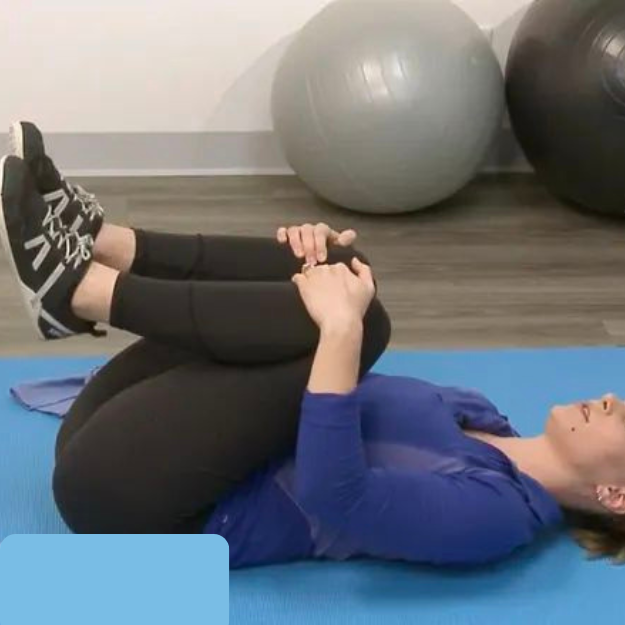
2. Knee to Chest Stretch
This simple stretch helps relieve pressure from the lower spine and relaxes muscles around the sciatic nerve.
How to Perform:
Lie flat on your back.
Bring one knee toward your chest.
Hold your knee using both hands.
Keep the other leg straight.
Hold for 20–30 seconds.
Repeat 3–5 times.
Benefits:
Reduces lower back tension
Improves spinal flexibility
Provides quick relief from nerve compression
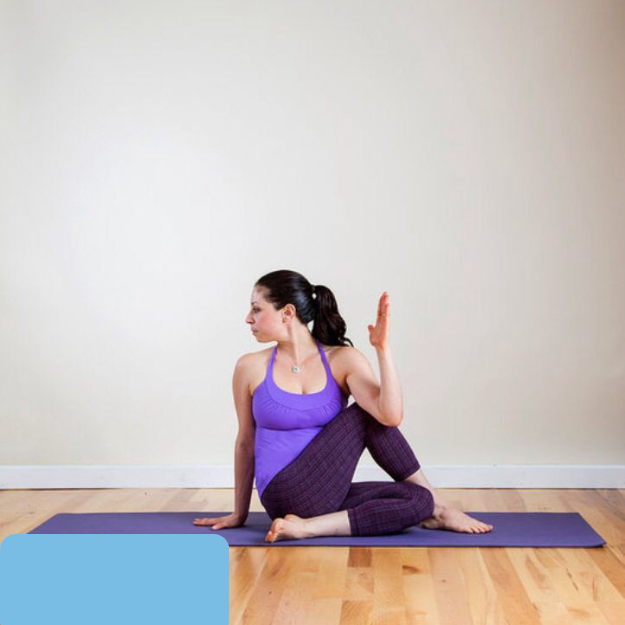
3. Seated Spinal Twist Stretch
This stretching exercise helps improve spinal mobility and reduces stiffness caused by sciatica.
How to Perform:
Sit on the floor with legs extended.
Bend one knee and place it outside the opposite thigh.
Twist your upper body toward the bent knee.
Hold the stretch for 20–30 seconds.
Repeat on the opposite side.
Benefits:
Improves spinal movement
Relieves lower back stiffness
Helps reduce nerve pressure
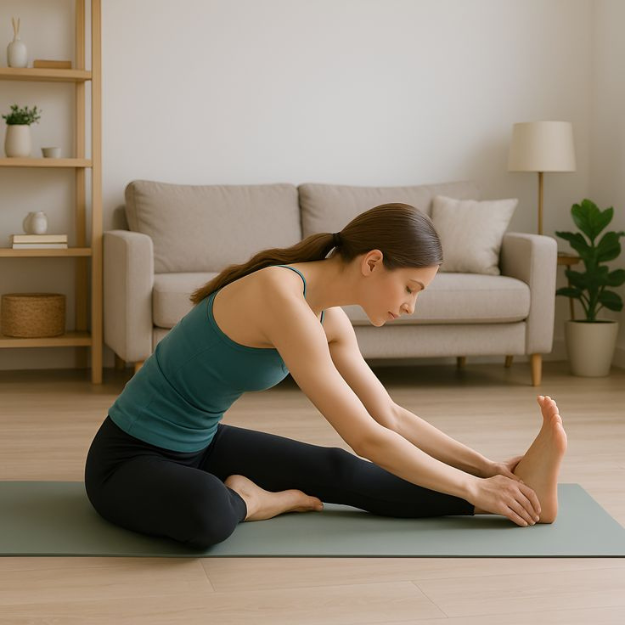
4. Hamstring Stretch
Tight hamstring muscles can worsen sciatica pain by increasing stress on the lower back.
How to Perform:
Sit on the floor with one leg straight.
Bend the other leg inward.
Slowly bend forward toward the straight leg.
Try to reach your toes without bending the knee.
Hold for 20–30 seconds.
Repeat on both legs.
Benefits:
Improves leg flexibility
Reduces strain on lower back
Helps relieve sciatic nerve tension
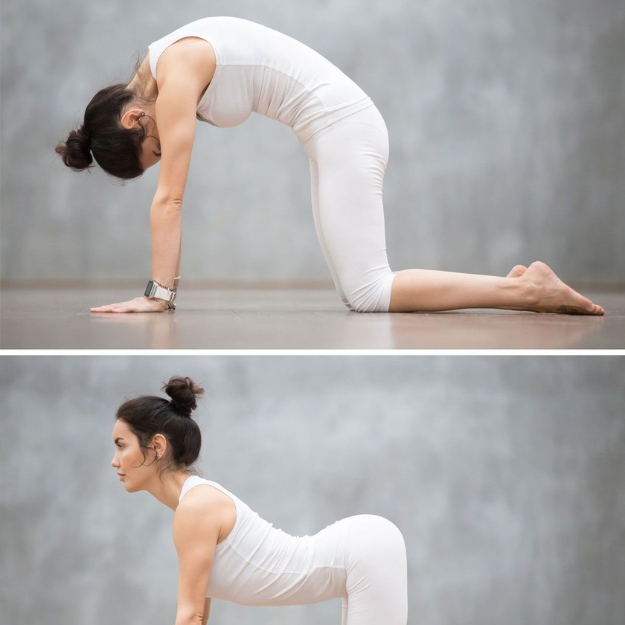
5. Cat-Cow Stretch
This yoga-based movement helps increase spinal flexibility and reduces stiffness in the lower back.
How to Perform:
Get on your hands and knees.
Inhale and arch your back downward (Cow position).
Exhale and round your back upward (Cat position).
Repeat 10–15 times slowly.
Benefits:
Improves spinal mobility
Reduces back stiffness
Enhances blood circulation
When Should You Visit a Physiotherapist?
While stretching exercises help reduce mild to moderate sciatica pain, professional physiotherapy treatment is recommended if:
Pain lasts more than a few weeks
Severe numbness or weakness occurs
Difficulty in walking or sitting increases
Pain keeps returning
A physiotherapist can design a personalized treatment plan including stretching, strengthening exercises, manual therapy, and posture correction techniques.
How Physiotherapy Helps in Sciatica Pain
Physiotherapy is one of the most effective non-surgical treatments for sciatica. It helps in:
Reducing nerve compression
Strengthening supporting muscles
Improving posture and spinal alignment
Preventing future injury
Providing long-term pain relief
Conclusion
Sciatica pain can seriously affect your daily routine and overall quality of life. However, regular stretching exercises like piriformis stretch, knee-to-chest stretch, spinal twist, hamstring stretch, and cat-cow stretch can significantly reduce pain and improve flexibility.
If you are suffering from persistent sciatica pain, consulting a qualified physiotherapist can help you recover faster and prevent complications.
More information
well me care Physiotherapy & Rehabilitation Center