
Tips For Rehabilitation After Injury
Tips for Rehabilitation After Injury
Well MeCare Physiotherapy & Rehabilitation Center, Jagatpura, Jaipur
Injuries can happen to anyone — whether you are an athlete, a working professional, a homemaker, or a senior citizen. From ligament sprains and muscle strains to fractures and post-surgical recovery, proper rehabilitation plays a crucial role in healing. Without the right guidance, injuries may lead to chronic pain, stiffness, weakness, or long-term mobility issues.
At Well MeCare Physiotherapy & Rehabilitation Center in Jagatpura, Jaipur, we believe that rehabilitation is not just about recovery — it’s about restoring strength, mobility, and confidence. In this blog, we’ll share important tips for effective rehabilitation after injury to help you recover safely and faster.
1. Understand Your Injury Properly
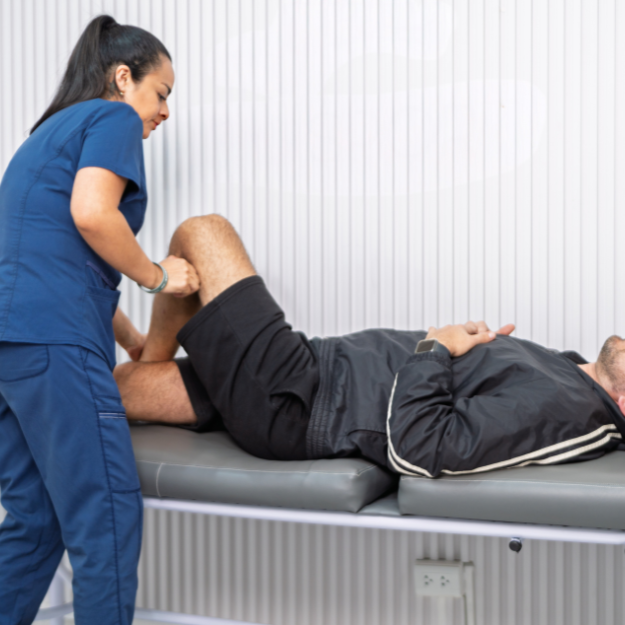
The first and most important step in rehabilitation is understanding the nature and severity of your injury. Is it a soft tissue injury like a sprain or strain? Is it a fracture? Or is it a post-surgical case?
A proper clinical assessment by a qualified physiotherapist helps in:
Identifying the damaged structures
Understanding pain triggers
Designing a personalized rehabilitation plan
Preventing complications
Self-diagnosis and random exercises from the internet can sometimes worsen the injury. Always seek professional advice before starting any rehabilitation program.
2. Follow the R.I.C.E. Principle in Early Stage
In the initial phase (usually the first 48–72 hours after injury), the R.I.C.E. principle is highly effective:
Rest: Avoid activities that increase pain.
Ice: Apply ice packs for 15–20 minutes to reduce swelling.
Compression: Use a compression bandage to control inflammation.
Elevation: Keep the injured part elevated above heart level.
This approach helps reduce swelling, inflammation, and pain during the acute phase.
3. Do Not Rush the Recovery Process
One of the biggest mistakes patients make is returning to normal activity too soon. Even if pain decreases, the tissues may still be healing internally.
Rehabilitation follows different phases:
Acute phase (pain and swelling control)
Recovery phase (mobility and light strengthening)
Strengthening phase (muscle rebuilding)
Functional training phase (return to normal activity)
Skipping stages can increase the risk of re-injury. Patience and consistency are key.
4. Start Gentle Range of Motion Exercises
After the initial pain and swelling reduce, gentle range of motion (ROM) exercises are introduced. These exercises help:
Prevent stiffness
Improve joint mobility
Maintain circulation
Reduce muscle tightness
For example:
Ankle circles after ankle sprain
Shoulder pendulum exercises after shoulder injury
Knee bending exercises after knee injury
These movements should always be done under supervision to avoid strain.
5. Gradual Strengthening is Essential
Muscles around the injured area often become weak due to inactivity. Weak muscles can delay healing and increase the risk of future injuries.
Progressive strengthening exercises help:
Restore muscle power
Improve joint stability
Enhance coordination
Support faster recovery
Resistance bands, light weights, and bodyweight exercises are commonly used in rehabilitation programs.
6. Focus on Flexibility and Stretching
Tight muscles and ligaments can limit movement and cause discomfort. Stretching exercises improve flexibility and reduce muscle tension.
However:
Stretch only after warming up
Avoid overstretching
Stop if sharp pain occurs
Regular stretching also helps in preventing long-term stiffness after injury.
7. Pain Management Techniques
Pain is a natural part of healing, but it should be controlled properly. Physiotherapy offers various non-surgical pain management techniques such as:
Ultrasound therapy
IFT (Interferential Therapy)
TENS therapy
Heat therapy
Manual therapy
These modalities help reduce pain, inflammation, and muscle spasm, allowing faster recovery.
8. Maintain Proper Nutrition
Healing requires proper nutrition. Your body needs:
Protein for tissue repair
Calcium and Vitamin D for bone healing
Vitamin C for collagen formation
Adequate hydration
A balanced diet supports faster recovery and improves overall strength.
9. Improve Posture and Body Mechanics
Many injuries occur due to poor posture or incorrect movement patterns. During rehabilitation, correcting posture and body mechanics is very important.
For example:
Learning proper lifting techniques
Correct sitting posture
Proper walking pattern
Ergonomic workstation adjustments
Posture correction reduces strain on joints and muscles, preventing future injuries.
10. Stay Consistent With Your Rehab Plan
Rehabilitation requires discipline and regular follow-up. Missing sessions or doing exercises irregularly can slow down recovery.
Tips for consistency:
Set a fixed exercise schedule
Track your progress
Follow therapist instructions carefully
Avoid comparing your recovery with others
Every person heals at a different pace.
11. Mental Strength Matters
Injury recovery is not just physical — it is also mental. Many patients feel frustrated or anxious about slow progress.
Staying positive helps in:
Better pain tolerance
Improved motivation
Faster return to daily activities
If needed, talk to your therapist about your concerns. Emotional support plays a significant role in healing.
12. Return to Activity Gradually
When pain reduces and strength improves, gradual return to daily activities or sports is introduced.
This phase includes:
Balance training
Functional exercises
Sport-specific drills
Endurance training
Never jump directly back into intense activity. Controlled progression prevents re-injury.
Common Injuries That Require Rehabilitation
Rehabilitation is important for conditions such as:
Ligament sprains (ankle, knee)
Muscle strains
Frozen shoulder
Slip disc
Fractures
Post knee replacement surgery
Sports injuries
Back pain
Proper physiotherapy ensures complete recovery instead of temporary relief.
Why Professional Rehabilitation is Important
Many people rely only on rest and painkillers, but this does not solve the root cause. Without rehabilitation:
Muscles remain weak
Joint stiffness increases
Risk of chronic pain rises
Chances of re-injury become high
Professional physiotherapy focuses on long-term recovery and functional independence.
Conclusion
Rehabilitation after injury is a structured and gradual process that requires patience, guidance, and consistency. Following the right steps — from pain management and mobility exercises to strengthening and functional training — ensures complete recovery and prevents future problems.
If you or your family member is recovering from an injury, early physiotherapy intervention can make a significant difference. At Well MeCare Physiotherapy & Rehabilitation Center in Jagatpura, Jaipur, we provide personalized rehabilitation programs tailored to each patient’s condition and recovery goals.
Remember — proper rehabilitation today ensures a stronger, healthier tomorrow.