
The complete Guide to Sciatica treatment
Best Physiotherapy & Pain Relief Solutions for Sciatic
Sciatica is one of the most common causes of lower back and leg pain. Many people experience sharp pain, tingling, numbness, or weakness that travels from the lower back down to the legs. This condition can affect daily activities like walking, sitting, bending, and even sleeping comfortably.
Understanding the right sciatica treatment is important for long-term recovery and pain relief. In this complete guide, you will learn about sciatica causes, symptoms, diagnosis, treatment options, exercises, prevention tips, and physiotherapy management.
What is Sciatica?
Sciatica is a condition caused by irritation or compression of the sciatic nerve. The sciatic nerve is the largest nerve in the body and runs from the lower spine through the hips and down each leg.
When this nerve becomes compressed or inflamed, it causes pain that radiates from the lower back to the buttocks, thighs, and legs.
Common Symptoms of Sciatica
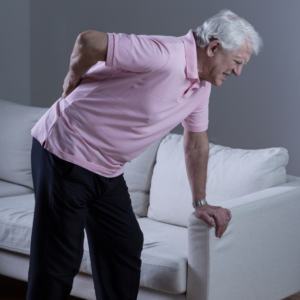
Sciatica symptoms can range from mild discomfort to severe pain. Common symptoms include:
- Sharp pain in the lower back
- Burning sensation in the leg
- Pain radiating from hip to foot
- Tingling or numbness in the leg
- Weakness in the affected leg
- Difficulty standing or walking
- Increased pain while sitting
- Pain during bending or lifting
Some patients may feel pain only on one side of the body.
Main Causes of Sciatica
Several spinal and muscular conditions can lead to sciatica pain.
1. Herniated Disc
A slipped or bulging disc presses on the sciatic nerve and causes pain.
2. Degenerative Disc Disease
Age-related wear and tear in spinal discs may irritate nerves.
3. Spinal Stenosis
Narrowing of the spinal canal can compress nerve roots.
4. Piriformis Syndrome
Tightness of the piriformis muscle can irritate the sciatic nerve.
5. Poor Posture
Long sitting hours and improper posture increase spinal stress.
6. Muscle Imbalance
Weak core muscles and tight hamstrings can contribute to nerve irritation.
7. Injury or Trauma
Sports injuries, falls, or accidents may trigger sciatica symptoms.
Best Treatment Options for Sciatica
Sciatica treatment depends on the severity and underlying cause. Most cases improve with conservative treatment and physiotherapy.
1. Physiotherapy for Sciatica
Physiotherapy is considered one of the most effective treatments for sciatica pain relief.
Benefits of physiotherapy include:
- Reduced nerve compression
- Improved spinal mobility
- Better posture correction
- Muscle strengthening
- Pain management
- Improved flexibility
- Faster recovery
A personalized physiotherapy program helps patients return to normal activities safely.

2. Exercise Therapy
Specific exercises help relieve pressure on the sciatic nerve.
Recommended Sciatica Exercises
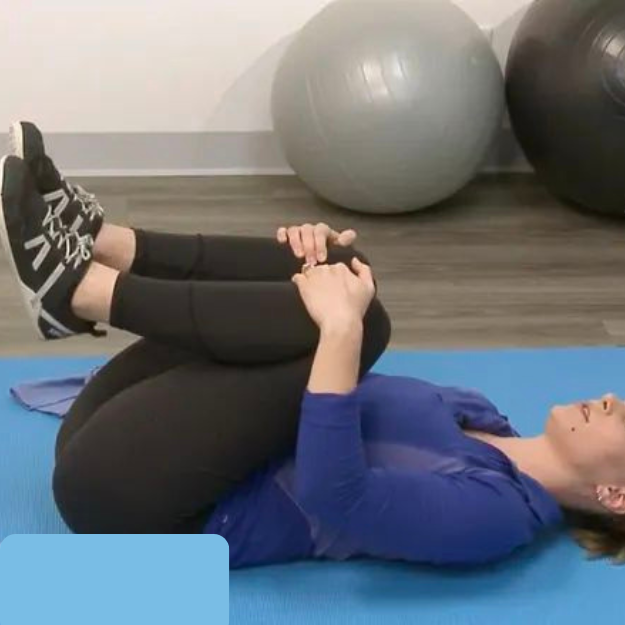
Knee to Chest Stretch
Helps reduce lower back stiffness.
Pelvic Tilt Exercise
Strengthens core muscles and supports the spine.
Cat Camel Stretch
Improves spinal flexibility.
Hamstring Stretch
Reduces muscle tightness in the legs.
McKenzie Extension Exercise
Commonly used for disc-related sciatica.
Regular exercise improves blood circulation and reduces pain.
3. Manual Therapy
Manual therapy techniques used by physiotherapists include:
- Soft tissue release
- Joint mobilization
- Myofascial release
- Trigger point therapy
These treatments help reduce muscle tightness and improve movement.
4. Heat and Cold Therapy
Heat Therapy
- Relaxes muscles
- Improves blood flow
- Reduces stiffness
Cold Therapy
- Reduces inflammation
- Helps numb sharp pain
- Controls swelling
Both therapies can be effective depending on the stage of pain.
5. Posture Correction
Poor posture is a major contributor to sciatica.
Important posture tips include:
- Sit with spinal support
- Avoid slouching
- Keep feet flat on the floor
- Avoid prolonged sitting
- Use ergonomic chairs
Correct posture reduces stress on spinal discs and nerves.
6. Lifestyle Modifications
Healthy lifestyle habits can significantly reduce sciatica symptoms.
Important Lifestyle Tips
- Maintain healthy body weight
- Stay physically active
- Avoid smoking
- Improve sleep posture
- Lift objects correctly
- Take movement breaks during work
Consistency plays an important role in recovery.
7. Chiropractic Care
Chiropractic adjustments may help improve spinal alignment and mobility in selected cases. It should always be performed by qualified professionals after proper evaluation.
8. Pain Management
Some patients may require temporary pain management methods such as:
- Anti-inflammatory medications
- Muscle relaxants
- Nerve pain medications
These treatments should only be used under medical supervision.
9. Advanced Medical Treatments
In severe cases, doctors may recommend:
- Epidural steroid injections
- Nerve block injections
- Surgery
Surgery is usually considered only when conservative treatments fail or severe nerve compression occurs.
Best Sleeping Positions for Sciatica
Sleeping posture greatly affects sciatic pain.
Recommended Positions
Side Sleeping
Place a pillow between the knees.
Back Sleeping
Keep a pillow under the knees.
Avoid sleeping on very soft mattresses or sleeping on the stomach for long periods.
Can Sciatica Be Prevented?
Yes, proper spinal care can reduce the risk of sciatica.
Prevention Tips
Exercise regularly
Strengthen core muscles
Maintain correct posture
Avoid prolonged sitting
Stretch daily
Maintain healthy weight
Use proper lifting techniques
Preventive care helps maintain long-term spinal health.
Conclusion
Sciatica can significantly affect daily life, but proper treatment and physiotherapy can help manage pain and restore mobility. Early diagnosis, posture correction, exercise therapy, and lifestyle modifications are essential for successful recovery.
Physiotherapy plays a major role in reducing nerve pressure, improving movement, and preventing recurrence. Following a structured treatment plan and maintaining healthy habits can provide long-term relief from sciatica pain.
If you are experiencing symptoms of sciatica, seeking professional physiotherapy guidance can help you recover safely and effectively.
At Well MeCare Physiotherapy & Chiropractor Center in Jagatpura Jaipur, we focus on evidence-based physiotherapy care for sciatica, back pain, posture correction, and rehabilitation. Early physiotherapy management may help improve flexibility, mobility, and overall spinal health.